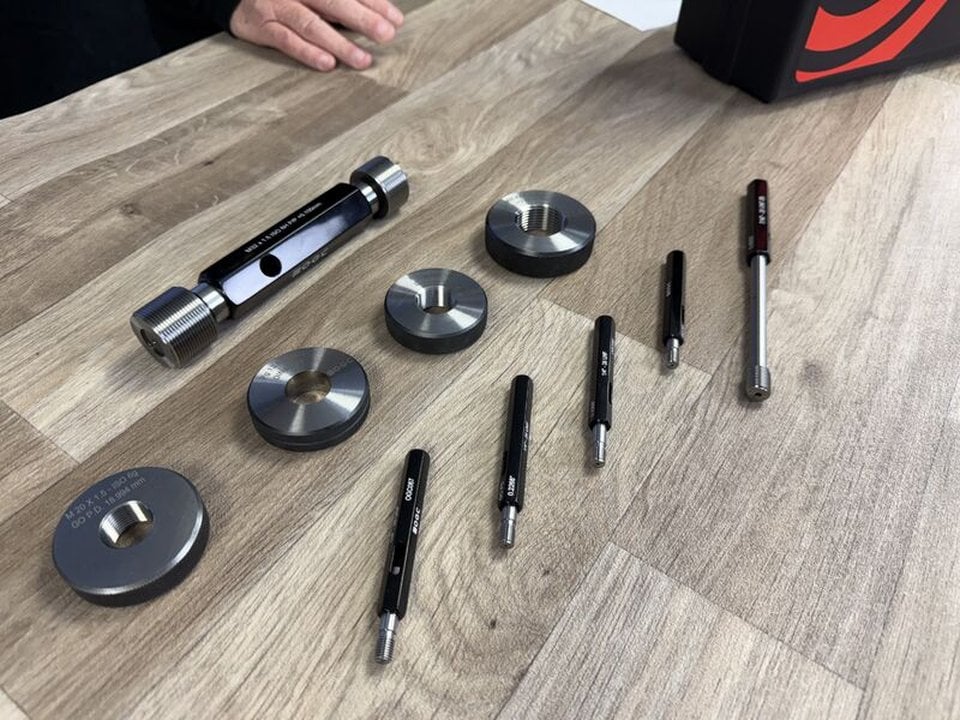
Manufacturers are being reminded of the hidden costs associated with worn gauges, which often go unnoticed until they fail calibration. These gauges can subtly impact productivity and quality in manufacturing processes, leading to problems like dimensional shifts and increased scrap.
Gauges play a crucial role in ensuring precision and quality in manufacturing. Like any tool, they wear out over time. A worn gauge may lead to minor dimensional inconsistencies resulting in borderline parts, excessive rework, or even a rise in scrap rates. Moreover, these inaccuracies can often result in false rejects that hinder production speed and lead to inconsistent results among operators.
Often mistaken for broader production issues, the ramifications of worn gauges can manifest as quality concerns that only become apparent much later. To mitigate these challenges, regular inspection, calibration, and timely replacement of gauges are recommended. This proactive approach helps maintain consistency and reliability in manufacturing operations.
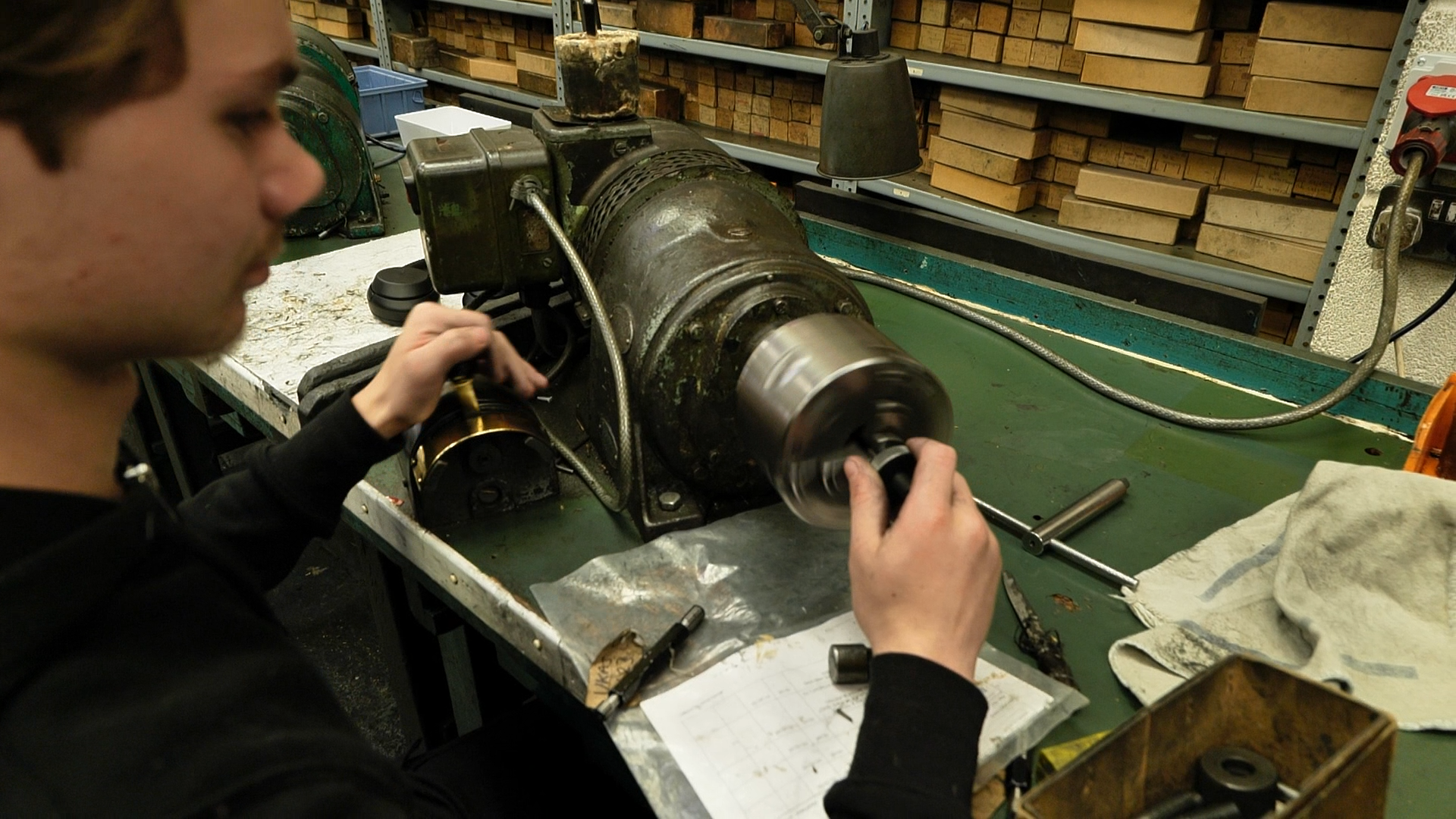
OGC, a leading manufacturer and maintenance provider of gauges, emphasizes this point. The company prides itself on producing long-lasting gauges and assisting clients in identifying wear before it becomes financially burdensome. By addressing gauge-related concerns early, manufacturers can protect their bottom line and ensure product quality.
In a competitive industry, the integrity and reliability of measurement tools are paramount. Organizations like OGC continue to highlight the need for vigilance and regular maintenance to avoid the hidden costs associated with worn gauges.
Read this post on LinkedIn