

Revolutionizing Automotive Manufacturing: Navigating Environmental Challenges with Sustainable Solutions
In the dynamic realm of automotive manufacturing, the recent decision by Mumbai to retire its iconic red diesel-run double-decker buses, a staple since 1937, underscores the pressing need to embrace sustainability in the industry.
The automotive sector operates in one of the world’s most regulated environments, with stringent safety and environmental standards dictating operations. From manufacturers to dealerships and repair shops, compliance with these regulations is paramount.
However, the global landscape of regulations varies, posing challenges for automakers to ensure compliance across borders. Government oversight is crucial to uphold safety and environmental standards while safeguarding consumer interests. It is imperative for automotive businesses to remain abreast of evolving regulations and proactively adapt to meet them.
Impact of Stringent Environmental Regulations on Automotive Industry
Global regulations are reshaping the automotive industry, compelling manufacturers and dealers to overhaul business models to align with sustainability mandates. From fuel efficiency standards to emissions regulations, automakers are under pressure to innovate and comply with evolving requirements.
Fuel efficiency standards, spurred by events like the Arab Oil embargo, have intensified demands for improved fuel efficiency. Corporate Average Fuel Economy (CAFE) standards have been pivotal in driving manufacturers to enhance fuel efficiency.
Emissions regulations, particularly concerning CO2 emissions, necessitate adherence to stringent standards. Implementing technologies like catalytic converters adds to engineering and manufacturing costs, often passed on to consumers.
Integration of Sustainable Solutions
To mitigate environmental impact, the automotive industry is increasingly adopting eco-friendly practices and minimizing activities detrimental to sustainability.
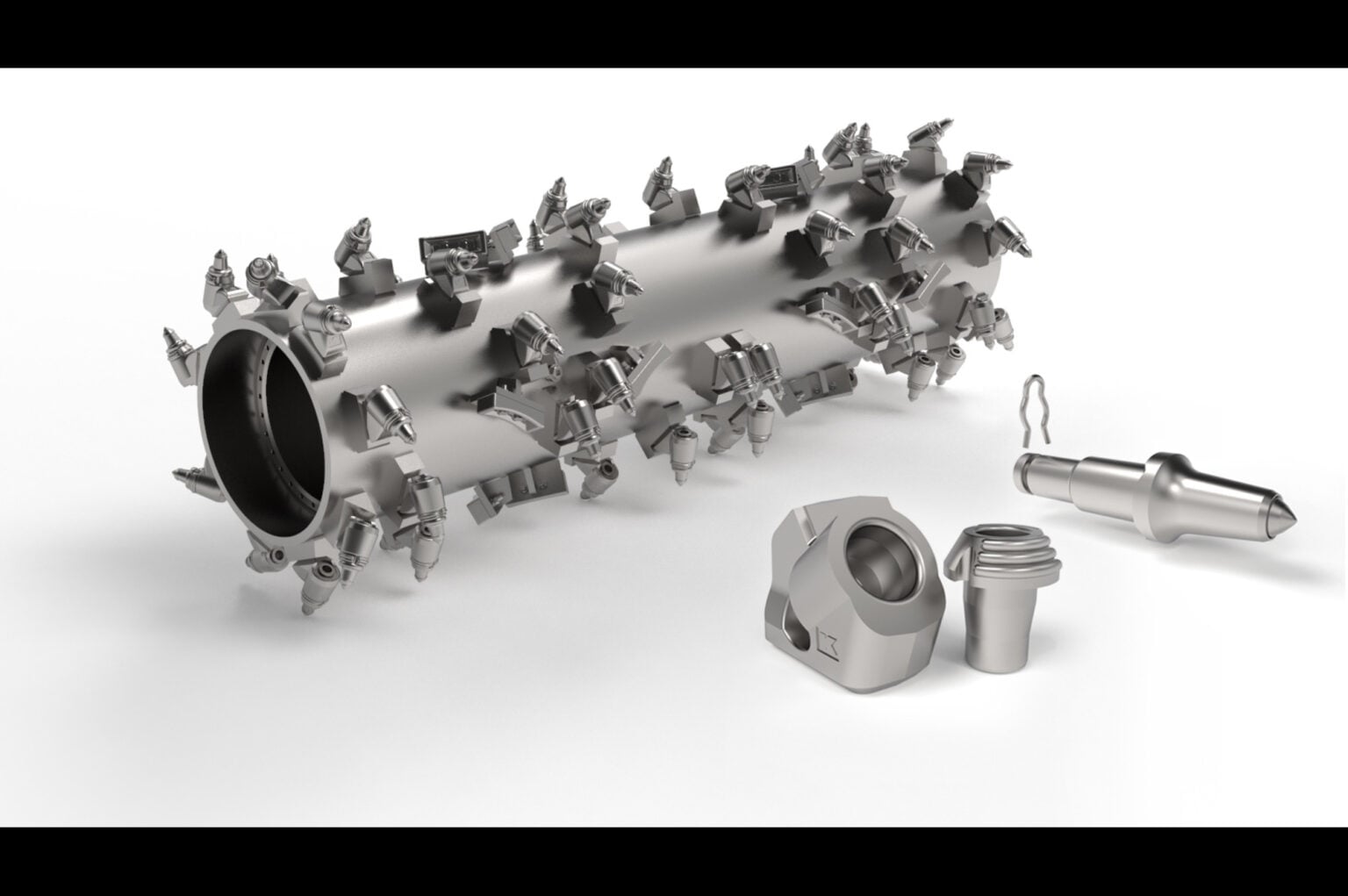
Minimizing material usage through additive manufacturing reduces waste, energy consumption, and emissions during production. Unlike traditional methods like casting and machining, additive manufacturing optimizes material usage, minimizes waste, and utilizes recyclable materials.
Employing eco-friendly materials, such as thermoplastics derived from sustainable sources, contributes to a more sustainable world. Recycled plastics and polymers sourced from renewable materials offer viable alternatives to petroleum-based products.
Reducing Transportation and Shipping
Recent advancements in additive manufacturing enable in-house production of parts, reducing reliance on global supply chains and cutting transportation emissions. Manufacturers benefit from reduced carbon footprint and cost savings by producing parts locally.
Prototyping and testing before manufacturing
Accelerated prototype development and testing facilitated by additive manufacturing streamline design optimization and error identification. This not only saves time and resources but also reduces environmental impact by minimizing material wastage.
Conclusion
As the automotive industry progresses towards sustainability, additive manufacturing emerges as a key enabler. By reducing carbon footprint, employing eco-friendly materials, and optimizing production processes, additive manufacturing offers a sustainable pathway for the automotive sector. Embracing additive manufacturing is pivotal in mitigating environmental impact and steering the industry towards a greener future.