In the world of manufacturing, some projects begin not with an order but with a question. A potential customer presents a component, a demanding material, and specified requirements for surface finish, tool life, and productivity. The task is clear: what is technically possible?
This is the reality for many specialists, where the excitement of their work lies in these challenges. Application engineers, developers, and tool specialists collaborate closely with the customer to examine the task in detail. They assess material behavior, identify the stresses involved, determine required tool life, and explore potential for shorter machining times.
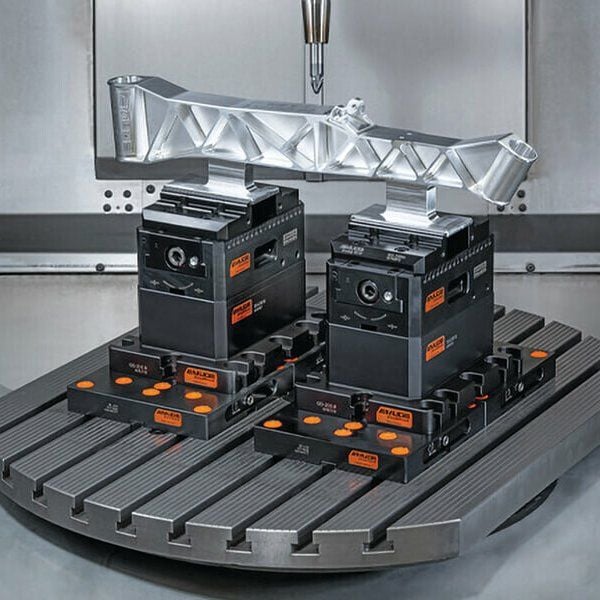
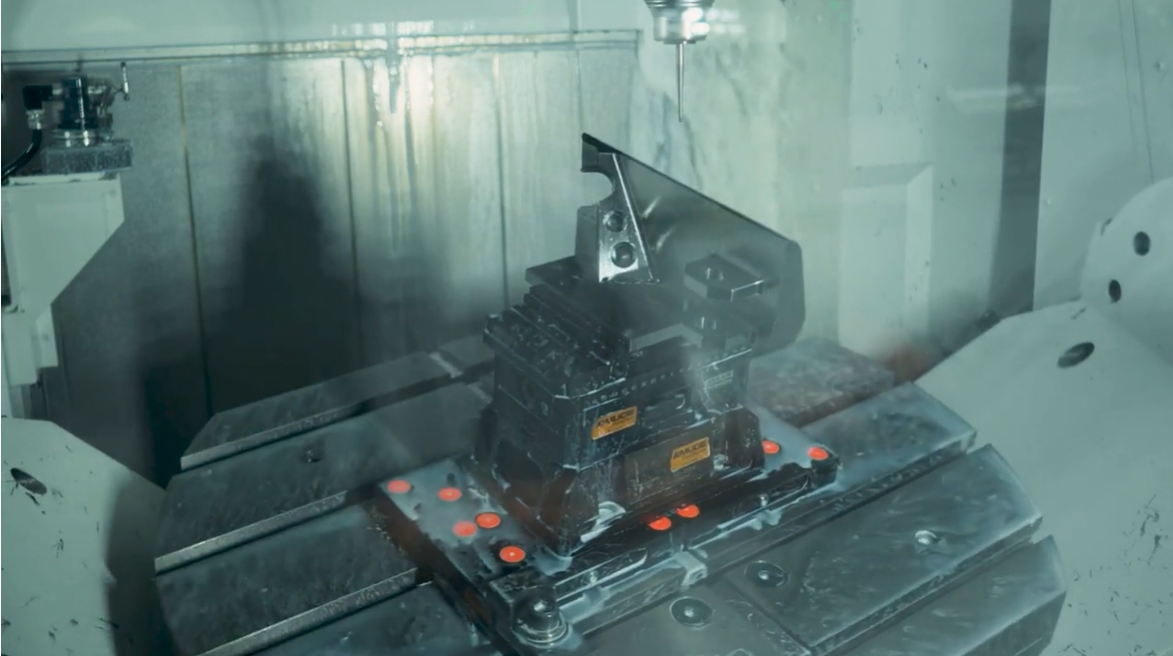
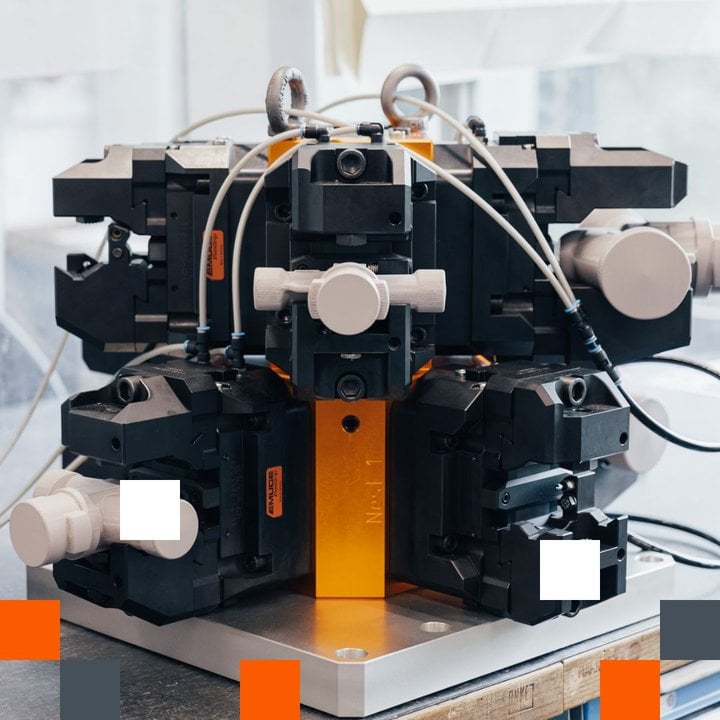
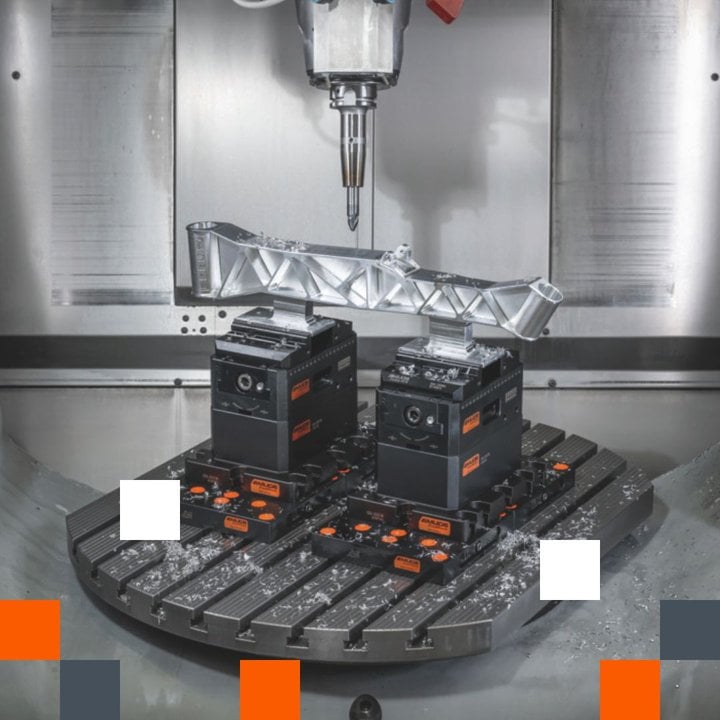
A holistic approach is applied. The team considers not only the tool itself but the entire process, acknowledging that workpiece clamping plays a crucial role. An optimal clamping solution ensures stability during machining, prevents vibrations, and contributes to both process security and tool life, just like the tool itself.
Here often lies significant potential to reduce machining time. By clamping multiple workpieces simultaneously or completing entire operations in a single setup, changeover times can be eliminated, making processes more efficient.
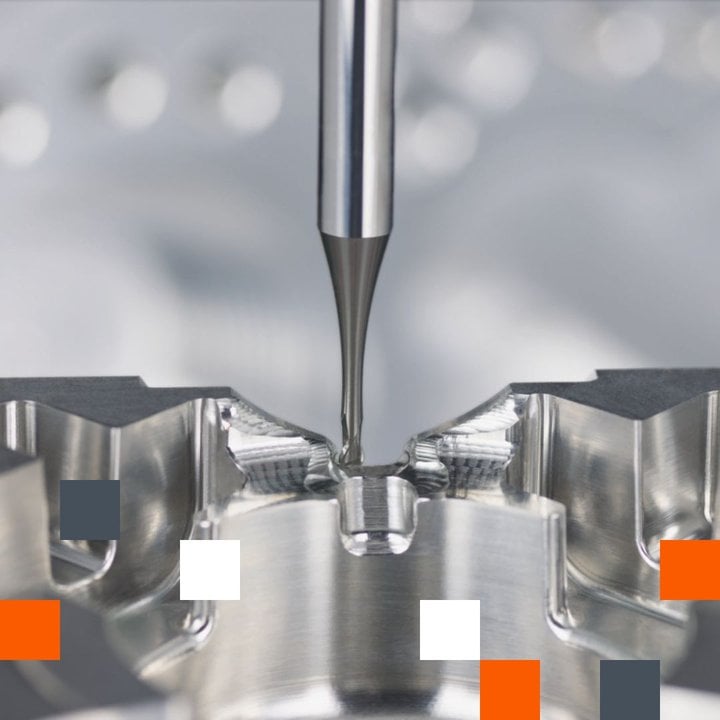
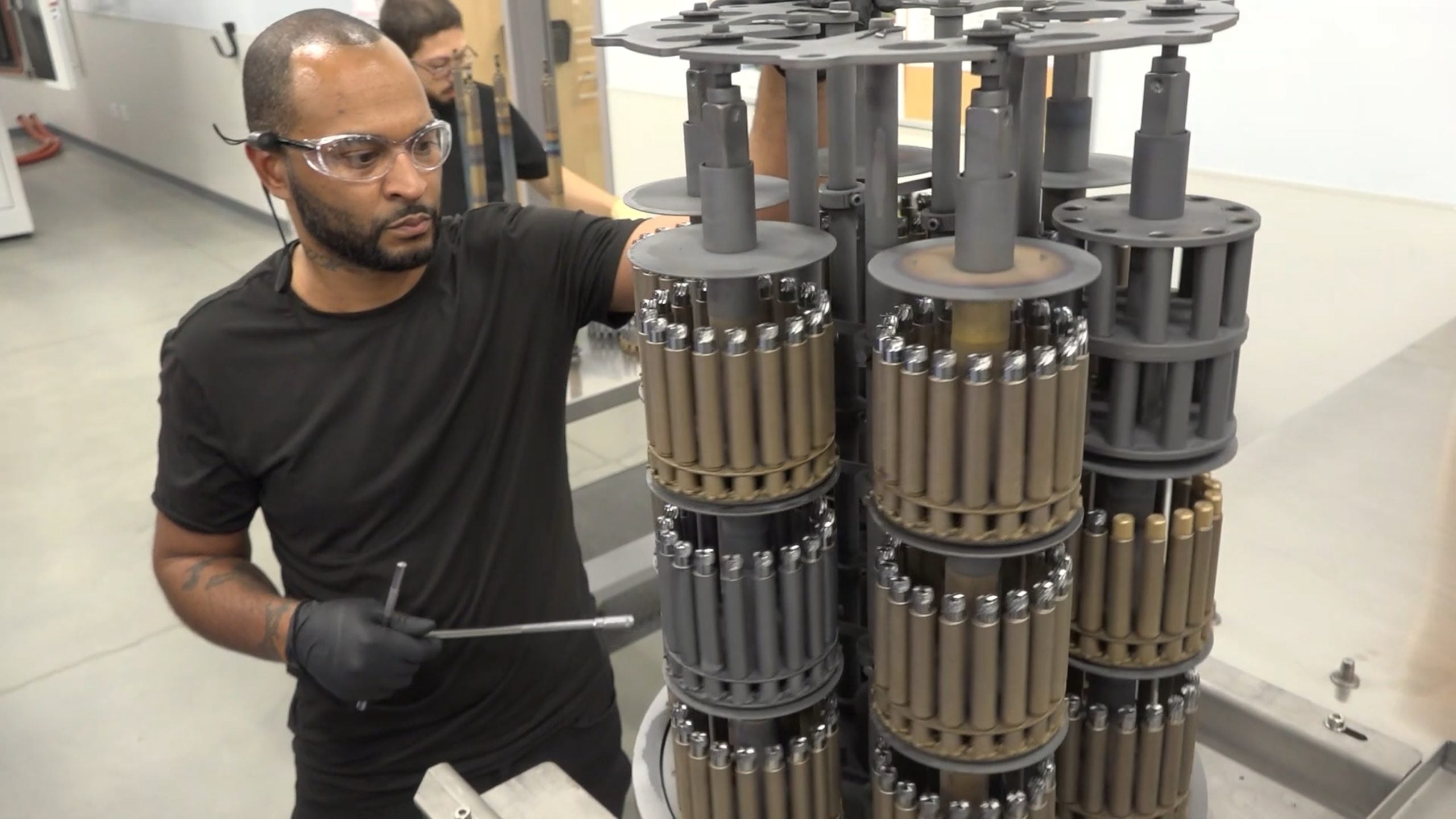
Once the initial assessment is complete, the true development work begins. Various tool concepts are tested, wear patterns analysed, geometries adjusted, and machining strategies evaluated. The team also reviews the clamping situation and modifies it as needed for each task. It may take several iterations to find a solution that performs well in practice.
Although this requires effort, investing time and expertise into such projects is seen as valuable. The best solutions are often achieved through collaborative effort and questioning existing approaches.
Machining continues to present new challenges, materials, and opportunities for process development, ensuring that the field remains stimulating and never monotonous.
View more news from Emuge Franked