

08:24
🎧Machining strategies for aerospace milling
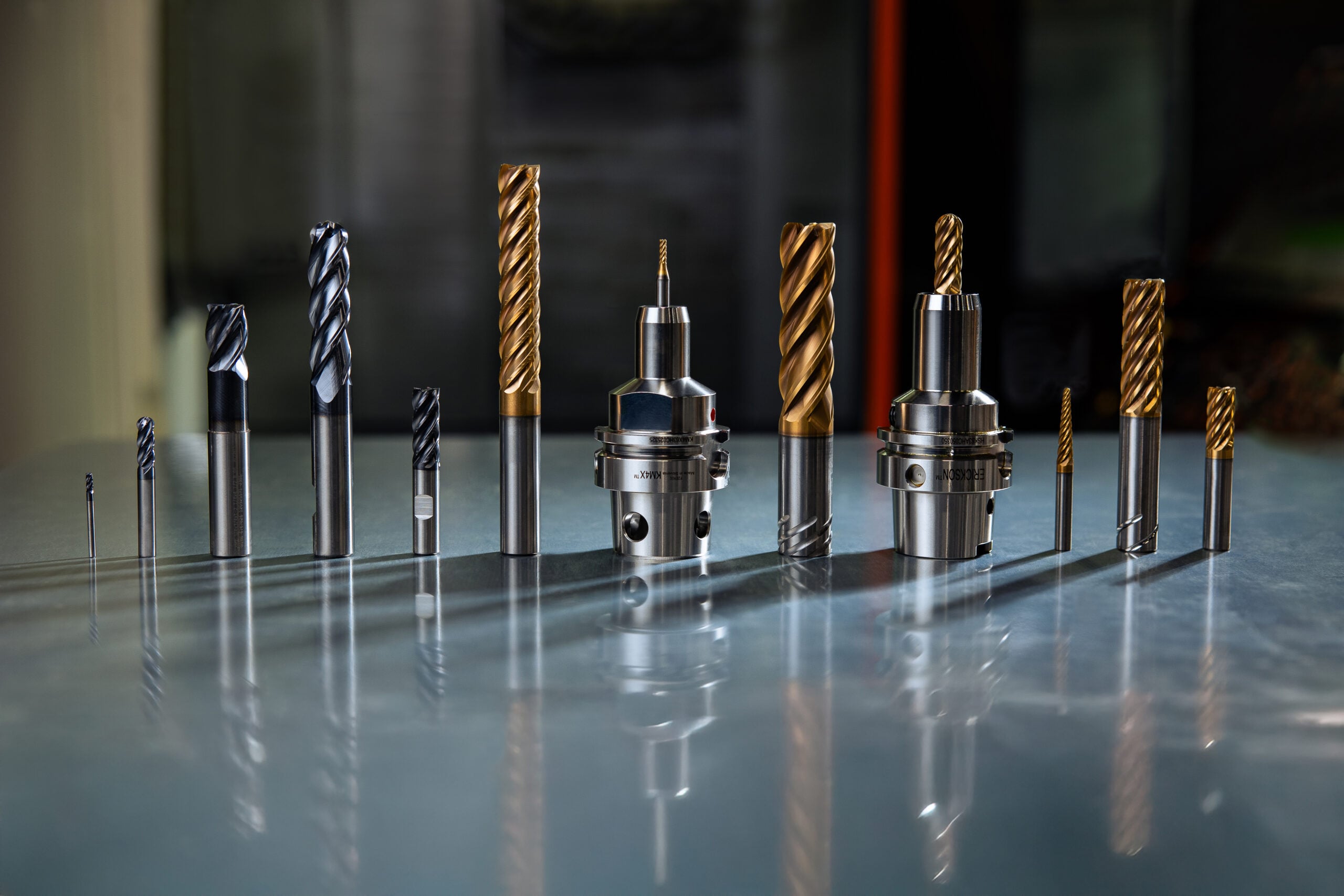
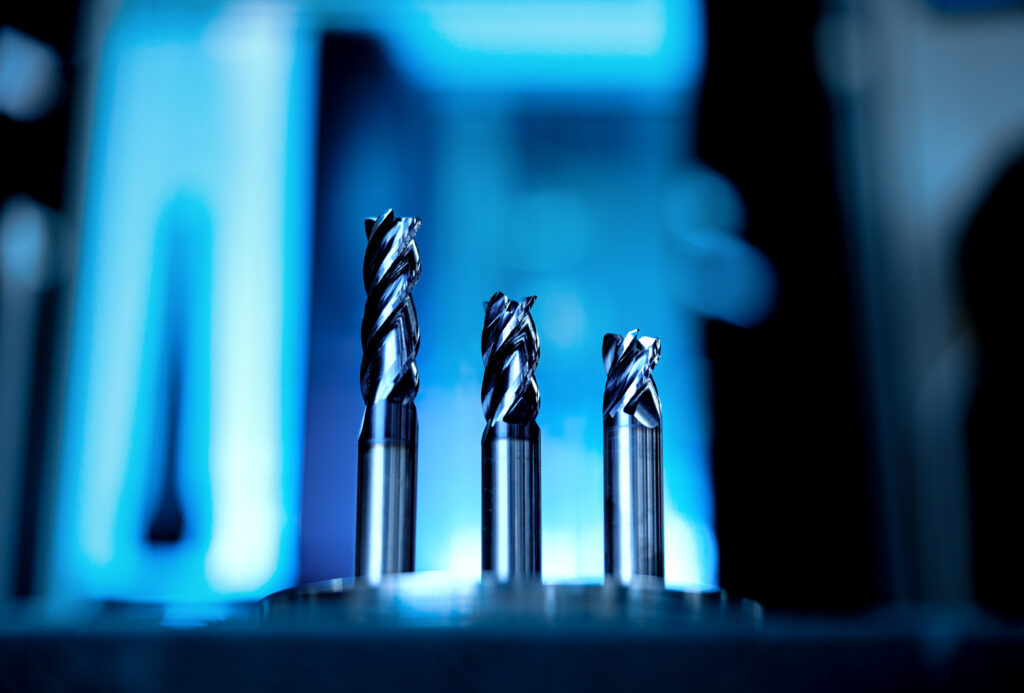
Machining aerospace alloys presents challenges to tool performance. A comprehensive strategy is essential to achieve optimal performance while avoiding process-limiting issues. These alloys are ideal for high-stress components due to their strength and heat resistance. However, their poor machinability stems from high strength and low thermal conductivity.
Effective strategies encompass optimising cutting parameters, utilising advanced tool materials and coatings, and employing efficient cooling and lubrication techniques. Implementing precise toolpaths and chip evacuation can significantly enhance performance.
“The biggest issue when machining high-temp alloys is heat,” says Danny Davis, Senior Staff Engineer Solutions at Kennametal. “We need to take special care in managing the heat through correct speeds, coolants, coatings and substrates.”
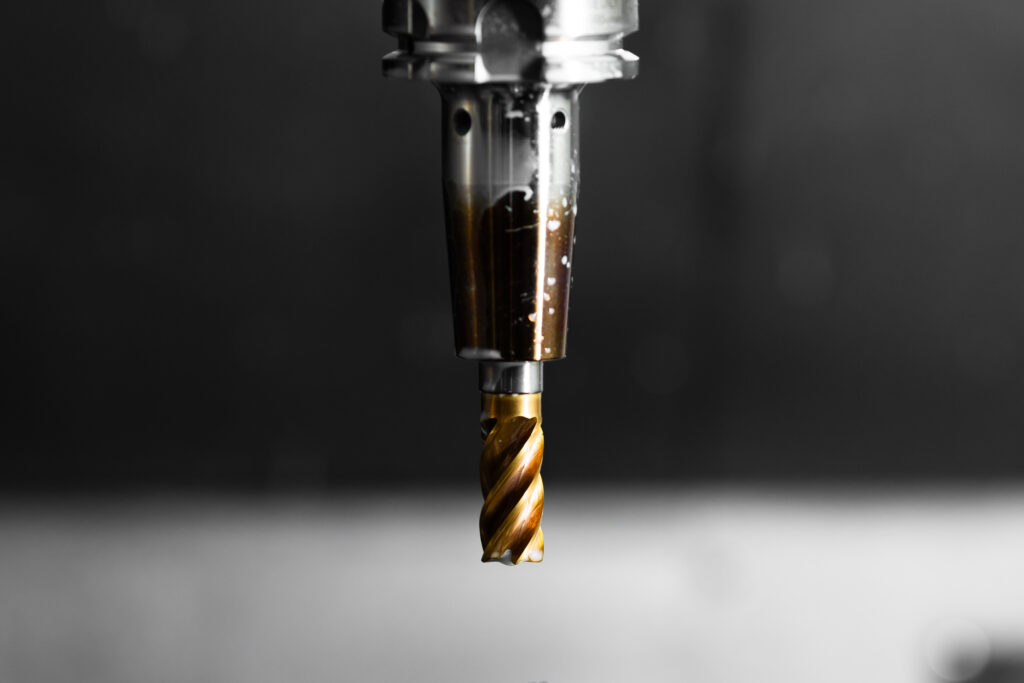
Where is the heat coming from?
Heat generated during cutting does not dissipate easily into the workpiece or chips when compared to other materials. This forces the tool, and sometimes the part, to bear the thermal burden. Every machining operation is essentially a thermal system where electrical energy enters the spindle and converts into kinetic energy (tool rotation and movement) and heat (from plastic deformation).
During chip formation, three distinct phases occur:
Ways to Manage Heat in High-Temp Alloys
Coolant and Lubrication Best Practices
High-temp alloys require strategic coolant management:
Using Ceramic Tools in a Dry Environment
Ceramic tools offer unique advantages when machining high-temp aerospace alloys. Their extreme temperature resistance makes them well-suited for dry cutting where traditional carbide tools struggle.
“When we discuss ceramic tools, we’re almost always talking about dry cutting,” explained George. “You need careful setup because ceramic tools are much more sensitive to tool path and workpiece geometry.”
Managing heat without coolant is key with ceramics. George noted, “Heat is obviously a big concern with high-temp alloys, but ceramic likes heat. We want to generate heat and eliminate it quickly.”
George advised avoiding re-cutting and ensuring good chip evacuation to prevent premature wear or failure. He suggested specific motion strategies: “Step the walls of pockets. As you step down, move away from the wall with each pass. This keeps the tool away from the heat zone and helps prevent excessive burr formation.”
Effective Approaches for Solid End
Milling of Aerospace Components
Pocketing Techniques and Methods of Entry:
Many aerospace parts feature deep, complex pockets requiring proper entry strategy and cutter selection, especially in materials prone to work hardening and thermal stress.
“Pocketing is one of the most common aerospace operations, but it can be tricky with high-temp alloys,” said George.
Minimising Chatter and Maintaining Rigidity:
Chatter often stems from machine-tool interface issues with high-temp alloys. Even the best tool can fail if the spindle or machine lacks rigidity to absorb cutting forces.
“Chatter occurs when there’s too much movement between tool and part, leading to inconsistent cuts and tool wear,” explains Myers. “The best way to reduce chatter is ensuring your machine has sufficient rigidity.”
If chatter persists despite adjusting stickout and tool selection, reduce depth of cut to lessen cutting forces instead of slowing feeds and speeds. This keeps vibrations in check without impacting cycle time. “Even with a robust machine, combining long stickout and weak spindle can lead to chatter. It’s about balancing tool size, rigidity and cutting force,” George says.
Cutting Parameters and Tool Life
Tool longevity directly relates to cutting parameters. Running tools at correct speeds, feeds and chip loads ensures maximum tool life while preventing premature wear. Speed is crucial when machining high-temp alloys—too fast burns through tools quickly.
Chip thickness is equally important. Light radial engagement without proper feed compensation leads to rubbing rather than cutting, generating excess heat and accelerating wear.
Wall Stiffness and Support Geometry
When machining features like blisks, isogrids, or blades, geometry plays a critical role in maintaining part stability and minimising deflection. Adjacent or curved walls often reinforce features, offering opportunities to exceed standard roughing rules.
“The curvature of the blade actually adds stiffness to that part,” said Davis. “These rules are guidelines. If the wall has curvature, adjacent walls, corners, or bottom radii—all add stiffness.”
Conclusion
Machining aerospace components from high-temp alloys demands more than just the right tools—it requires a comprehensive strategy addressing heat, rigidity, toolpath planning, and part geometry. Using the right strategies keeps you ahead of the solid end milling curve in machining complex aerospace parts.